

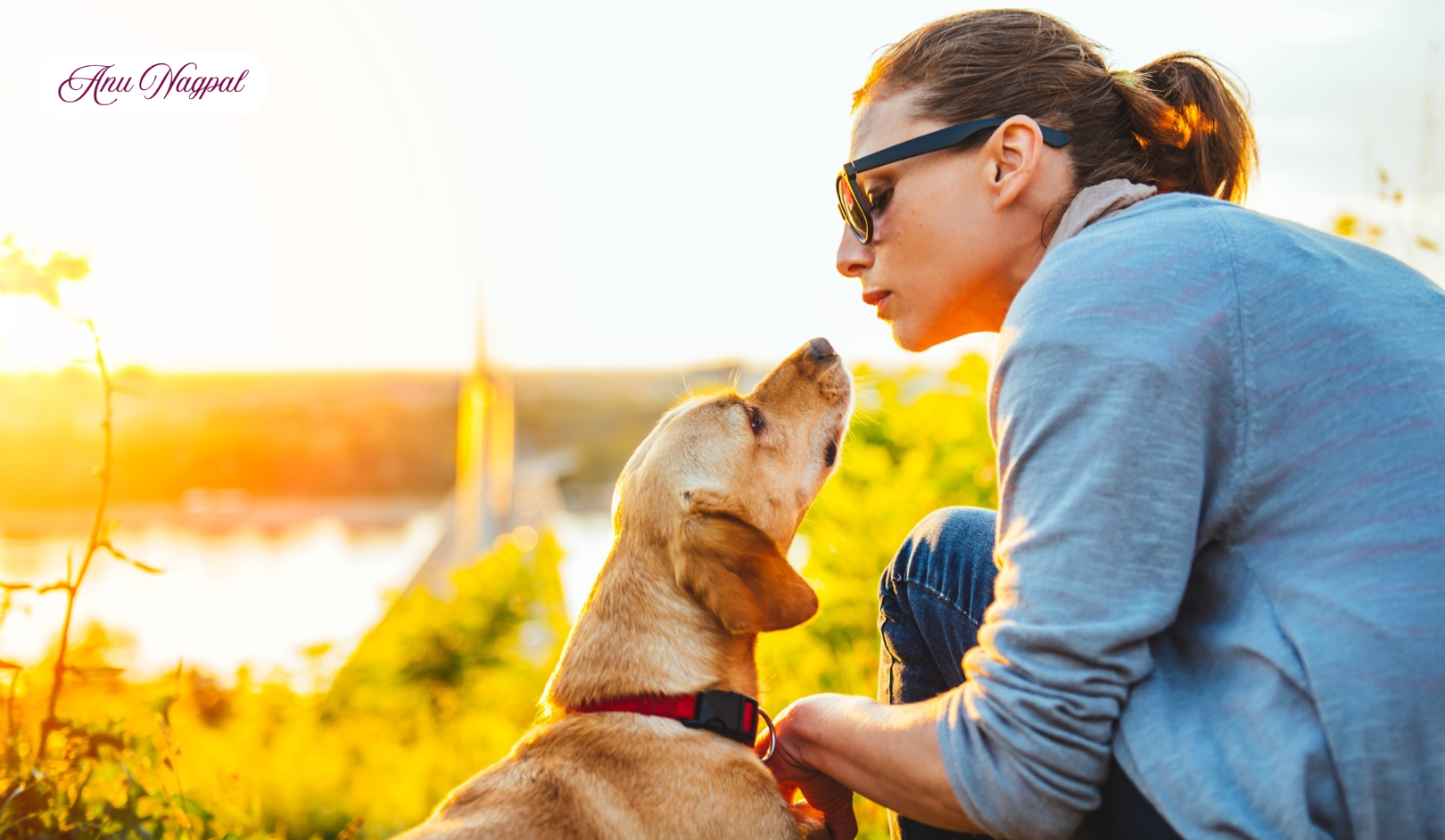
How Animal Communicators Work With Veterinarians and Pet Therapists
Animals communicate far more deeply than we imagine. Some express through body language, others through subtle behavior shifts, and many through silent emotional signals that humans struggle to interpret. This communication gap becomes even more significant when animals fall sick, experience trauma, undergo behavioral changes, or display unexplained symptoms. In these moments, an extraordinary bridge is often needed — and that bridge comes in the form of animal telepathic communication.
Around the world, animal telepathy is gaining acceptance not as a replacement for veterinary science, but as a complementary healing art that brings clarity, emotional understanding, and deeper insight into an animal’s inner experiences. Within India, especially in metropolitan regions like Noida, one name stands out brightly in this unique field of intuitive healing: Anu Nagpal – the best animal communicator in Noida, a gifted telepath who has been bridging the silent emotional world of animals with the clinical world of vets and therapists.
This article explores in detail how animal communicators and veterinarians work together, how telepathic insights support medical treatment, how behavior therapists benefit from intuitive information, and how experts like Anu Nagpal enrich the overall wellbeing of pets by working hand-in-hand with healthcare professionals. We also explore the science, spirituality, emotional significance, and practical applications of this collaboration in modern pet care.
If you’re a pet parent, a healer, a vet, or simply an animal lover curious about intuitive communication, this comprehensive guide will open a new dimension of understanding — blending science, intuition, emotional intelligence, and holistic healing into one powerful narrative.
What Exactly Does an Animal Communicator Do?
Animal communication is a telepathic exchange of thoughts, emotions, sensations, mental images, energetic impressions, and intuitive understanding between a human communicator and an animal. It works on the principles of:
-
Energy connection
-
Intuitive perception
-
Empathic resonance
-
Telepathic imagery
-
Emotional mirroring
A professional communicator like Anu Nagpal connects with the animal’s energetic field to receive information that animals cannot express physically. This might include:
-
emotional pain
-
confusion
-
fear
-
trauma memories
-
physical discomfort
-
desires and needs
-
environmental stress
-
dietary preferences
-
behavioral triggers
-
relationship issues with humans or other animals
This information becomes invaluable when shared with veterinarians and therapists, because it adds a non-physical dimension to the diagnosis and healing plan.
Why Vets and Animal Communicators Need Each Other
Veterinarians focus on:
-
physical symptoms
-
internal organ function
-
blood work
-
injuries
-
disease diagnosis
-
medications and treatments
They depend mostly on observable signs and lab results.
Animal communicators focus on:
-
emotional pain
-
mental distress
-
energetic blocks
-
environmental stressors
-
hidden fears
-
trauma memories
-
spiritual communication
-
intuitive messages
They depend on telepathy, energy tuning, and intuitive sensing.
When these two worlds connect, the pet receives complete, holistic care — physical + emotional + behavioral + energetic healing.
Veterinarians often acknowledge that animals cannot describe:
-
where exactly the pain is
-
how long it has been hurting
-
what triggered behavioral changes
-
what trauma stays unexpressed
-
whether a medication is making them uncomfortable
-
what environmental or emotional factor is affecting their health
This is where a communicator like Anu Nagpal becomes the missing link. She receives information that guides the veterinarian towards a deeper understanding, avoids guesswork, and helps create more accurate treatment plans.
Similarly, animal therapists — especially behaviorists — often rely on communication insights to identify triggers related to:
-
past abuse
-
new home adjustment
-
jealousy
-
fear-based aggression
-
separation anxiety
-
sound trauma
-
abandonment issues
-
emotional wounds
Thus, telepathic communication becomes a silent language that strengthens the bond between medical science and animal emotions.
How Animal Communicators Assist Veterinarians: A Deep Dive
This collaboration is far more detailed and fascinating than most people realize. Here is how professionals like Anu Nagpal work directly with veterinary doctors:
1. Understanding Symptoms That Are Not Visible Physically
Sometimes lab tests are normal, yet the pet acts uncomfortable, restless, or weak. Communicators step in to decode sensations animals feel internally.
For example:
-
A dog may feel pressure in the abdomen even when scans look clear.
-
A cat may experience dental discomfort that hasn’t become severe enough for a vet to detect.
-
A rabbit may feel internal inflammation long before symptoms appear.
Such intuitive clarity helps vets narrow down which organ system to investigate further. In many cases, the information matches what vets later find in deeper tests.
2. Identifying the Exact Location of Pain
Veterinarians often rely on palpation, X-rays, and physical reactions to guess where pain exists. But animals may hide pain instinctively to avoid appearing weak.
A communicator like Anu Nagpal may receive messages such as:
-
“sharp pain in right hind leg”
-
“tightness near the lower spine”
-
“burning in the stomach”
-
“sensation of heaviness around the chest”
This precision helps vets focus directly on the affected area.
3. Understanding Emotional or Psychological Causes of Physical Illness
Animals express stress through their body. Stress can trigger:
-
vomiting
-
hair fall
-
skin irritation
-
digestive imbalance
-
loss of appetite
-
lethargy
-
aggression
-
depression-like symptoms
Telepathic communication helps uncover emotional triggers such as:
-
new environment
-
arrival of new pet
-
owner’s stress
-
grief of losing a companion
-
household conflicts
-
fear of loud noises
-
trauma from past owners
-
separation anxiety
Once vets know the emotional cause, they can combine medical treatment with lifestyle modifications.
4. Supporting Post-Surgery Healing
Animals cannot explain:
-
what scares them
-
what makes movements difficult
-
what discomforts arise after surgery
-
whether they experience fear from hospitalization
Communicators emotionally reassure the animal and convey:
-
safe feelings
-
messages of comfort from the owner
-
clarity about why treatment is happening
-
telepathic healing energy
Veterinarians often report that animals recover faster after communication sessions because they feel emotionally supported.
5. Helping Vets Before Major Treatments or Procedures
Before surgeries, treatments, or medical procedures, communicators prepare animals emotionally by explaining:
-
why the procedure is needed
-
how it will help
-
that the pain is temporary
-
that they are safe
-
that their humans are waiting for them
This reduces anxiety, makes anesthesia smoother, and improves cooperation during pre-surgery handling.
6. Providing Feedback on Medications
Animals sometimes dislike certain medicines but cannot express what side effects they feel. Communicators often receive messages like:
-
nausea
-
dizziness
-
heaviness
-
discomfort in stomach
-
strange taste
-
sleepiness
Sharing this with vets helps them adjust dosage or replace medicines.
7. Helping Vets in Terminal Illness and End-of-Life Care
This is one of the most sensitive collaborations.
Vets medically assess:
-
organ failure
-
pain severity
-
disease progression
Communicators assess:
-
the animal’s readiness
-
emotional needs
-
unspoken messages
-
whether the animal wants help in passing peacefully
-
who they want present in their final moments
This ensures the animal’s last phase is filled with dignity, comfort, and deep emotional understanding.
How Animal Communicators Support Pet Therapists
Animal therapists — behaviorists, energy healers, physiotherapists, and trainers — often work closely with telepathic communicators. Here’s how this collaboration creates breakthroughs:
1. Behavior Therapists Use Telepathic Insights to Identify Triggers
Behavioral issues often arise from:
-
past trauma
-
loud noise phobia
-
abandonment
-
territory disputes
-
jealousy
-
sudden changes in routine
Communicators decode the emotional root causes. Therapists then create:
-
customized plans
-
structured behavior training
-
exposure techniques
-
confidence-building exercises
Animals show faster behavioral improvement when emotional triggers are addressed.
2. Helping Animals Recover From Trauma
Communicators often uncover trauma memories like:
-
abuse
-
harsh handling
-
accidents
-
separation
-
loss of a companion
-
aggressive past environments
Therapists use this information to plan:
-
desensitization
-
reassurance training
-
energy healing
-
safe bonding activities
Together, therapist + communicator accelerate emotional healing.
3. Supporting Physiotherapy With Emotional Comfort
Physiotherapists rely on cooperation. Communicators explain:
-
why exercises are needed
-
why movement matters
-
that pain is temporary
Animals participate more willingly once they understand the purpose.
4. Helping During Reiki, Pranic Healing, and Alternative Therapies
Many pet healers practice:
-
reiki
-
pranic healing
-
crystal healing
-
sound therapy
-
acupuncture
Communicators tune into:
-
energy blocks
-
emotional storage points
-
areas that need energetic releasing
Healers use this information to focus their therapy more accurately.
5. Creating Harmony in Multi-Pet Homes
Therapists handle:
-
fights
-
jealousy
-
territorial aggression
Communicators share:
-
which pet feels insecure
-
who feels ignored
-
who needs space
-
who wants more attention
Therapists adjust household dynamics accordingly.
Case Study Style Examples (Creative + Realistic)
These examples show how someone like Anu Nagpal works in real-life scenarios.
Case 1: The Dog With Unexplained Digestive Issues
Veterinarian tests showed normal reports, but the dog kept vomiting.
During telepathic communication, the dog shared images of:
-
a particular treat
-
discomfort after eating it
-
heaviness in the stomach
The owner realized the treat had recently changed the brand.
Once stopped, vomiting disappeared.
Case 2: Cat Aggression After Owner’s Marriage
A cat suddenly became aggressive after the owner got married.
In communication, the cat expressed:
-
jealousy
-
feeling ignored
-
resentment toward the new partner
Behavior therapist used:
-
bonding games
-
shared treats
-
routine adjustments
Communication helped rebuild harmony.
Case 3: A Horse Afraid of a Specific Groomer
A horse refused grooming for weeks.
Telepathic communication revealed:
-
rough handling in past
-
fear of a specific tool
-
insecurity in stable environment
The vet and trainer changed the tool and groomer.
The horse became cooperative again.
Case 4: End-of-Life Message From A Beloved Labrador
A 13-year-old Labrador was dying.
Veterinarian recommended palliative care.
During communication, the dog said:
-
he was ready
-
he wanted his favorite blanket
-
he wanted his family nearby
-
he didn’t want further treatment
This helped the family make a peaceful, compassionate decision.
Why Pet Parents Trust Anu Nagpal
Throughout Noida and Delhi NCR, pet parents trust Anu Nagpal, the best animal communicator in Noida, because of her:
✔ Accurate telepathic insights
✔ Deep compassion for animals
✔ Ability to emotionally support both pets and humans
✔ Experience working alongside vets and therapists
✔ Non-judgmental, healing-focused communication style
✔ Success in handling trauma, behavior, sickness, and emotional distress
✔ Authentic telepathic connection with animals of all species
From dogs and cats to birds, horses, rabbits, turtles, and even rescued wildlife — she communicates with clarity and empathy.
The Science Behind Telepathic Communication (Explained Simply)
While animal telepathy is intuitive, it has roots in:
-
quantum entanglement
-
mirror neurons
-
heart-brain coherence
-
energetic frequency exchange
-
intuitive intelligence
-
subconscious communication
-
non-verbal sensory perception
Humans and animals share energetic fields, and communicators tap into this field through:
-
meditation
-
grounding
-
silence
-
breathwork
-
intention setting
Veterinarians now understand that emotional stress is a major factor in disease. Telepathic communication simplifies the process of identifying these emotional burdens.
How Vets Benefit From Working With Animal Communicators
✔ Faster diagnosis
✔ Less guesswork
✔ More accurate treatment plans
✔ Improved animal cooperation
✔ Better understanding of emotional triggers
✔ Better post-treatment recovery
✔ Support during end-of-life decisions
Many vets now refer complex cases to communicators because emotional clarity improves medical success.
How Communicators Respect Veterinary Boundaries
Professional communicators like Anu Nagpal never:
-
diagnose disease
-
prescribe medicines
-
replace vet care
Their role is supportive, not clinical.
They offer insight, not medical decisions.
This balance earns the trust of both medical professionals and pet families.
How Pet Parents Can Prepare for a Joint Vet + Communication Approach
Pet parents can follow these steps:
-
Keep the pet relaxed
-
Avoid feeding right before sessions (if required)
-
Share complete history
-
Be emotionally calm — animals reflect human emotions
-
Respect vet recommendations
-
Give communicators space to connect telepathically
-
Observe behavioral changes after sessions
-
Follow therapists’ exercises consistently
This teamwork transforms healing.
Future of Animal Communication in India
India is rapidly embracing:
-
holistic pet wellness
-
integrative healing
-
telepathic communication
-
energy medicine
-
emotional therapy
Veterinarians are acknowledging:
-
stress-based disorders
-
trauma psychology
-
energy behavior patterns
The future will combine:
-
veterinary medicine
-
animal psychology
-
telepathic communication
-
alternative healing therapies
This integrative model offers the most complete form of pet care.
Conclusion: The Powerful Collaboration That Heals Animals Fully
Animal communication is not magic — it is connection, empathy, intuition, and deep listening. When paired with veterinary expertise and therapeutic techniques, the result is profound healing that addresses an animal’s body, mind, emotions, and soul.
With gifted intuitive experts like Anu Nagpal, the best animal communicator in Noida, pets receive support that goes far beyond basic healthcare. Her ability to work alongside veterinarians and pet therapists ensures that every animal gets:
-
emotional clarity
-
physical comfort
-
mental peace
-
energetic balance
-
behavioral guidance
-
compassionate understanding
This holistic approach is transforming pet care across India, empowering pet parents, enriching veterinary practice, and bringing us closer to the animals we love more than words can express.
Animal communication reminds us of a universal truth:
Animals speak — not through words, but through feelings, energy, and silent wisdom.
All we need is someone who knows how to listen.